Where to put a vanity mirror light
Position a vanity mirror and light around the height and distance you use while sitting at the dressing table. Choose a desktop lighted mirror for a movable arrangement or a separate wall light for an intended fixed position.
By LIRRA · Updated
Catalogue desk research; selection is based on documented features and the stated household task. No hands-on testing.
Start from the chair
Sit at the table with your usual cosmetics and accessories in place. Mark the mirror position and consider how you lean towards it. Leave a clear view of your face and enough room to reach the light control.
Compare the linked formats
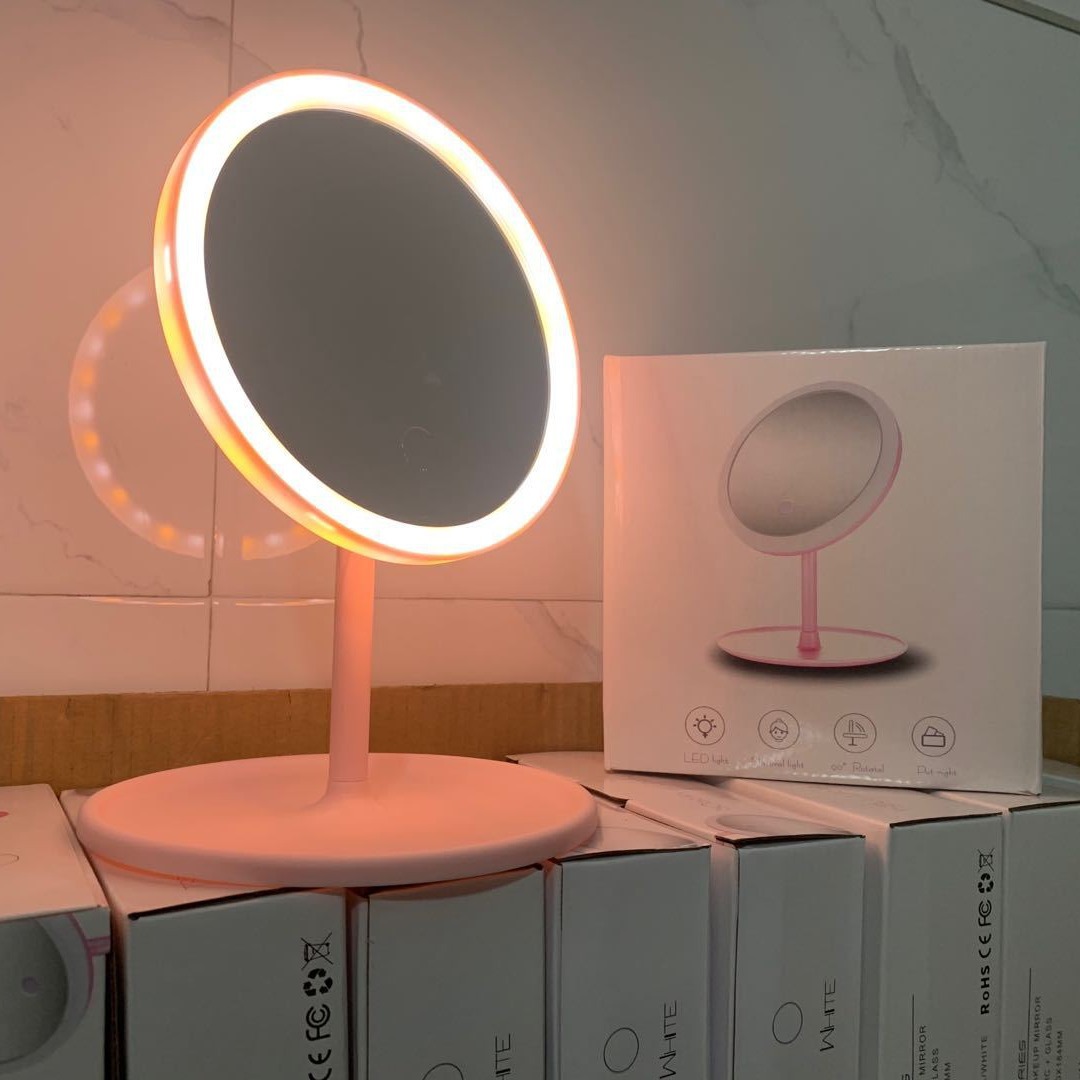
The desktop lighted mirror has dimming and selectable light tones. The separate wall-mounted vanity light has remote control for operation from the dressing-table seat. Choose the format that fits the table and available wall space.
Compare nearby lighting options
Our vanity-mirror range includes 28 designs. For a separate tabletop arrangement, browse 119 desk and reading designs or 161 cordless table lamps. Keep the mirror position central to the layout.
Choose the control and supply
Keep power connections and local controls accessible. Check the selected light's dimensions, supply and tone controls on its product page. Compare the arrangement in the room lighting you normally use.
Questions and answers
Where should I judge the mirror height?
From your normal dressing-table seat, including the way you lean towards the mirror.
Can I dim the desktop example?
The linked desktop mirror has dimmable lighting.
Does it offer different light tones?
Yes, it offers selectable light tones.
Can I operate the wall light remotely?
The linked wall-mounted vanity light supports remote control.
What should remain clear on the table?
Your view of the mirror, the controls and space for the accessories you normally use.
Evidence and method
Based on a saved catalogue snapshot of 943 small-light models. Product details are taken from recorded specifications and checked for implausible values. Counts describe source records, not current stock.