Choosing wall lights without new wiring
Choose a rechargeable wall light when you can reach or remove it for charging. Choose a plug-in light when a suitable socket and clear cable route work better for your position.
By LIRRA · Updated
Catalogue desk research; selection is based on documented features and the stated household task. No hands-on testing.
Plan the position and fixing
Mark the full lamp outline on the wall beside the bed or sofa. Try your normal reach and look towards the light from the seat. Choose the attachment for the actual surface and leave room around doors and furniture.
Compare the rechargeable examples
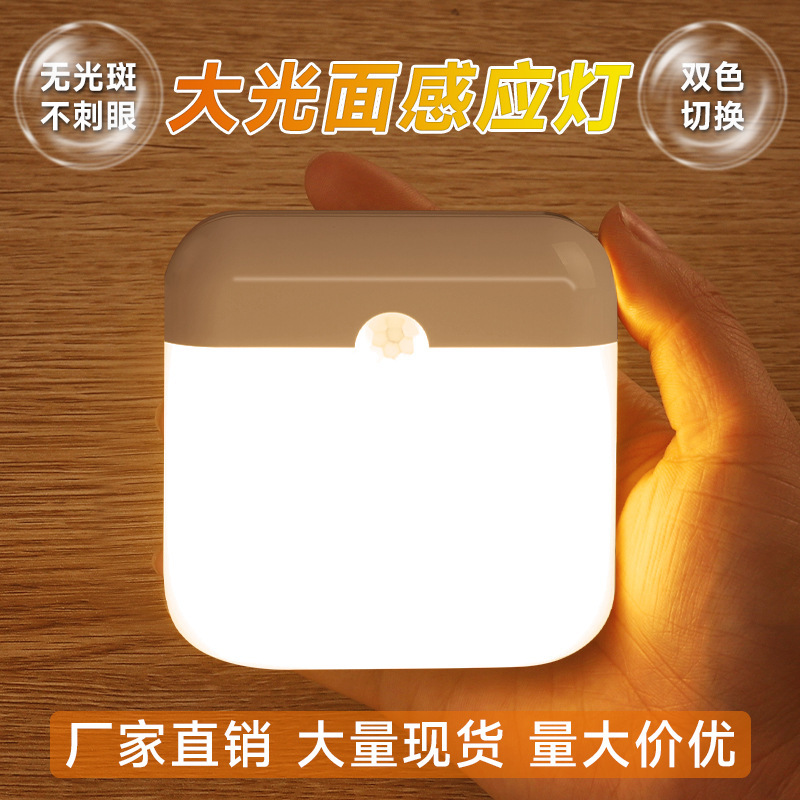
The linked motion-sensor wall light has 80 lumens output, a 2-hour runtime and a 3-hour charging time. It has magnetic attachment and a USB-C connector.
The aluminium linear light offers a 12–16 hour runtime, with magnetic attachment, dimming and remote control. Choose the form and controls for the wall area you want to highlight.
Leave charging access
Keep enough space to release the lamp or connect its lead using the intended method. Choose a stable charging spot nearby. Keep operating conditions beside the runtime when planning your routine.
Complete the mounting plan
Check the selected light's full fixing assembly and charging instructions on its product page. Use that method for the wall surface, keeping removal and normal maintenance practical.
Questions and answers
How long does the sensor wall light run?
Its runtime is 2 hours.
How long does it take to charge?
Its charging time is 3 hours.
What is its light output?
Its output is 80 lumens.
How long does the linear light run?
Its runtime is 12–16 hours.
What access should I allow?
Enough room to remove or connect the lamp for charging using its intended method.
Evidence and method
Based on a saved catalogue snapshot of 943 small-light models. Product details are taken from recorded specifications and checked for implausible values. Counts describe source records, not current stock.